
The Veins of Life - Part 2. Circulation - The Hidden Key to Preventing Stroke, Heart Disease and Dementia
17/3/26
Circulation - The Hidden Key to Preventing Stroke, Heart Disease and Dementia
When people think about health, they often focus on numbers — cholesterol levels, blood sugar readings, or blood pressure.
These numbers are important. But behind many of these conditions lies a deeper and often overlooked factor:
circulation.
Our circulatory system is responsible for delivering oxygen, nutrients, hormones and immune cells to every part of the body. It also removes waste products from our tissues.
When circulation is strong, our organs function well and our cells are able to repair themselves.
But when circulation becomes impaired, tissues gradually begin to suffer.
In many cases, chronic diseases begin quietly when the lining of our blood vessels, known as the endothelium, becomes damaged by oxidative stress and inflammation.
Over time this can lead to:
narrowing of blood vessels
reduced blood flow
inflammation within the vascular system
When this occurs in the heart, it may lead to cardiovascular disease.
When it occurs in the brain, it may increase the risk of stroke or cognitive decline.
The brain in particular is extremely sensitive to circulation. Although it represents only about 2% of body weight, it consumes roughly 20% of the body’s oxygen supply.
Even small disruptions in blood flow can have significant consequences.
This is why protecting the vascular system is so important.
Natural compounds such as the OPCs found in pine bark extract have been widely studied for their ability to support endothelial health and improve circulation. Pine bark helps stimulate nitric oxide production, which allows blood vessels to relax and function more efficiently.
Omega-3 fatty acids also support healthy circulation by reducing inflammation and helping maintain flexible blood vessels.
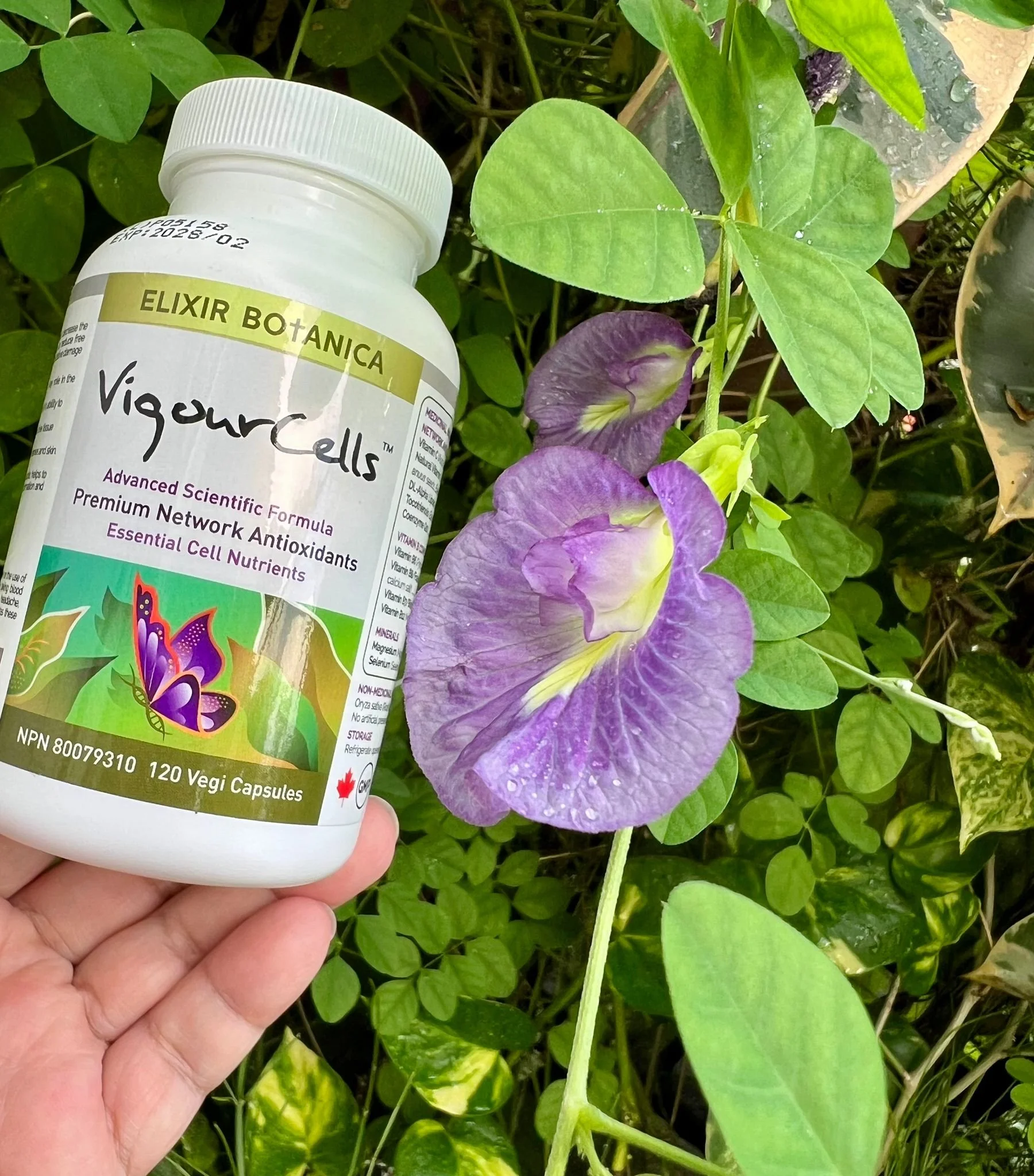
At the same time, the body needs a strong network of antioxidants to protect the vascular lining from oxidative damage.
When these systems are supported consistently, circulation remains more resilient and capable of adapting to stress.
Rather than focusing only on disease, perhaps we should focus more on protecting the systems that allow our bodies to function well in the first place.
Healthy circulation is one of those fundamental systems.