
The Veins of Life - Part 3. Why the Smallest Blood Vessels May Determine How Well We Age
Why the Smallest Blood Vessels May Determine How Well We Age
While we often talk about the heart and the major arteries, the most important part of our circulatory system may actually be the microcirculation.
Microcirculation refers to the tiny blood vessels known as capillaries, which are so small that red blood cells must pass through them one at a time.
These vessels form an enormous network throughout the body.
It is within this microscopic system that oxygen and nutrients are actually delivered to our cells.
Large arteries transport blood, but capillaries are where the real exchange takes place.
When microcirculation functions well, tissues receive the nourishment they need to remain healthy and to repair themselves.
But when the microcirculation becomes impaired, cells begin to experience subtle shortages of oxygen and nutrients.
Over time, this can contribute to many conditions associated with aging, including:
cognitive decline
vision problems
kidney dysfunction
nerve damage
reduced tissue repair
Many researchers now believe that microvascular health plays a major role in how well we age.
Unfortunately, the microcirculation is also particularly vulnerable to oxidative stress, chronic inflammation, high blood sugar and sedentary lifestyles.
Supporting microvascular health therefore becomes an important part of maintaining long-term wellbeing.
Regular physical activity helps stimulate blood flow through small vessels.
Good nutrition provides the building blocks required for vascular repair.
Certain nutrients may also help protect this delicate system.
Pine bark extract, rich in OPCs, has been shown to support microcirculation and strengthen capillary integrity.
Omega-3 fatty acids support vascular flexibility and help reduce inflammation.
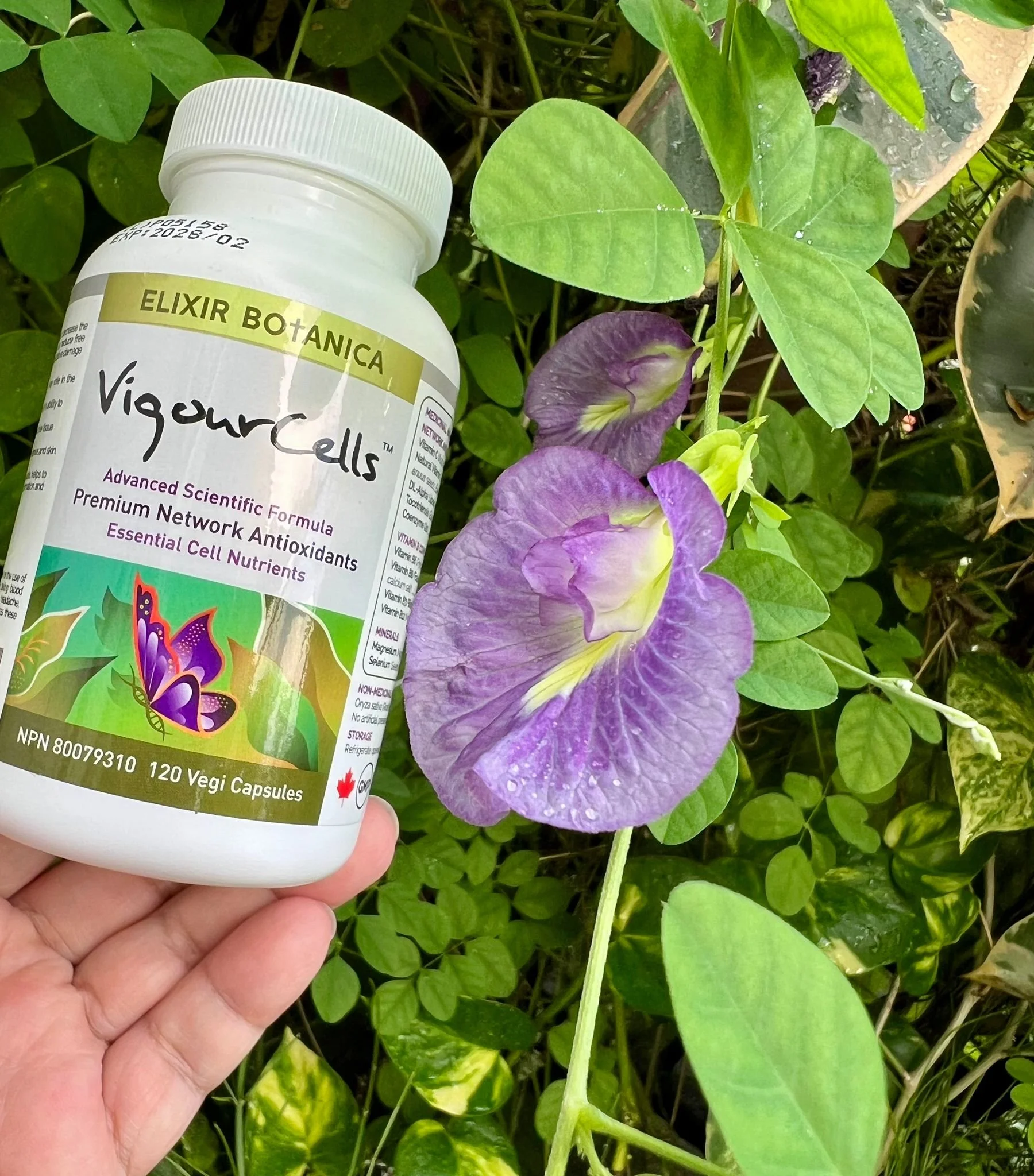
Antioxidant networks, such as those provided by nutrients like vitamins C and E, lipoic acid, and other cellular antioxidants, help protect the vascular lining from oxidative damage.
When these systems are supported daily, the microcirculation remains more capable of delivering life-sustaining nutrients to every part of the body.
In many ways, the health of these smallest vessels quietly determines the health of our organs.
Just like the delicate veins that nourish a flower petal, the smallest blood vessels sustain the life within us.